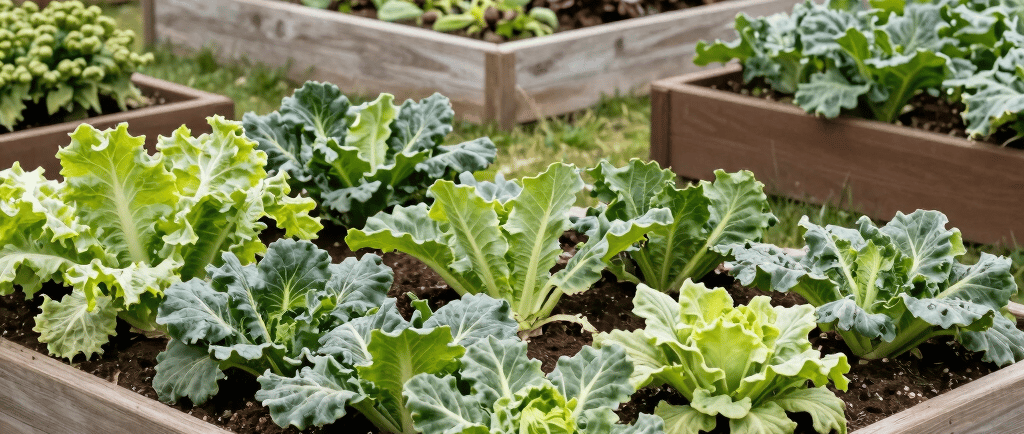
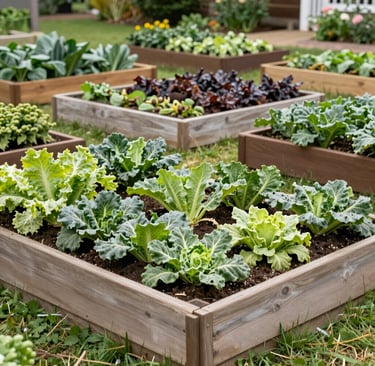
Getting Started with Raised Vegetable Beds
Starting a new raised vegetable bed can be an exciting venture for any gardening enthusiast. Whether you’re a seasoned pro or a beginner, having a dedicated space for your veggies can greatly benefits your gardening journey.
1. Choose the Right Location
Selecting the right spot is crucial. Look for a location that receives at least 6-8 hours of sunlight a day. Ensure the area is near a water source for easy watering.
2. Pick Your Materials
You can build your raised bed using wood, bricks, or even recycled materials. Ensure that the material you choose is both durable and safe for growing edibles. Untreated wood is often preferred to avoid chemical leaching.
3. Decide on Dimensions
The dimensions of your bed can vary, but a common size is 4 feet wide and 6 to 8 feet long. This allows you to easily reach the center without stepping into the bed, which helps maintain healthy soil structure. Want to garden and still look stylish, consider a trellis bed for your deck or patio.
4. Layer Your Soil
Start with a good base by layering your soil. Use a mix of high-quality topsoil, compost, and organic matter. This will create a rich environment for your plants to thrive.
5. Incorporate Drainage
Good drainage is essential for healthy plants. Ensure your raised bed has drainage holes or is built in a way that allows water to escape. Avoiding waterlogging will help prevent root rot.
6. Choose the Right Vegetables
When starting, it’s best to choose easy-to-grow vegetables like tomatoes, lettuce, and spinach. They are forgiving plants for beginners and can provide a bountiful harvest.
7. Consider Companion Planting
Companion planting is a fun way to naturally enhance your garden. Some plants can benefit from being grown together, such as basil with tomatoes. Research companions to maximize your yield.
8. Mulch for Health
Applying a layer of mulch can help retain soil moisture, suppress weeds, and regulate soil temperature. Organic mulches, such as straw or wood chips, are great options.
9. Regular Maintenance
Check your garden regularly for weeds, pests, and diseases. Early detection will help you manage problems before they escalate. Consistent attention will lead to thriving veggies!
10. Enjoy the Process
Lastly, remember to enjoy the journey of gardening. It’s not just about the harvest, but the experience of nurturing life and connecting with nature. Grab your gardening gloves and get started on your raised vegetable bed today!