
How to Create a Magical Fairy Garden Filled with Lights, Tiny Houses, and Enchanting Details!
Learn how to create a magical fairy garden with fairy houses, solar lights, miniature pathways, statues, water features, and whimsical accessories that transform any garden into an enchanting retreat.
6/6/20263 min read
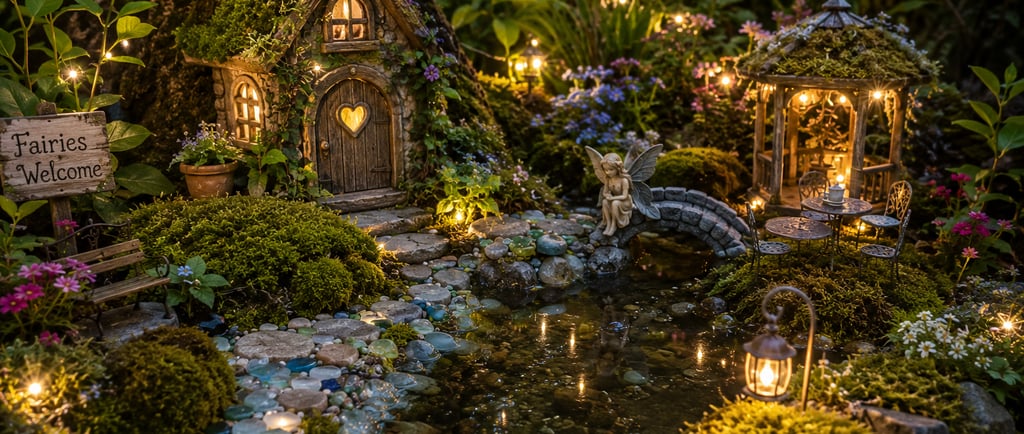
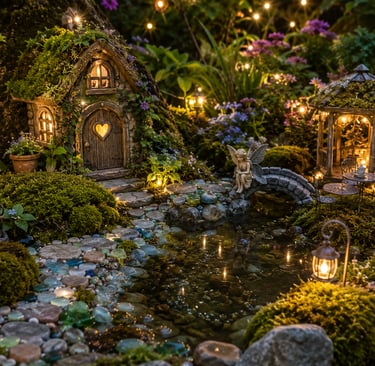
How to Create a Magical Fairy Garden Filled with Lights, Tiny Houses, and Enchanting Details
There is something undeniably magical about discovering a tiny fairy door tucked beneath a flower, a miniature cottage peeking out from behind a shrub, or twinkling lights illuminating a hidden garden path at dusk. Fairy gardens bring imagination to life and transform ordinary outdoor spaces into whimsical retreats that delight children and adults alike. What a great thing to do with your children or grandchildren. Bring imagination alive by creating one together!
Whether you have a sprawling backyard, a cozy flower bed, or even a container garden on your patio, creating a fairy garden is a wonderful way to add personality, charm, and a touch of enchantment to your landscape.
Step 1: Choose the Perfect Location
The first step is selecting a space that feels naturally magical. Look for areas that already have character, such as:
Under a shade tree
Beside a garden path
Near a birdbath or water feature
Around the base of a large shrub
In a raised garden bed
Inside a large planter or container
A partially shaded location often works best because it helps preserve miniature accessories and creates a woodland feel that fairies would love.
Step 2: Establish a Fairy Garden Theme
Choosing a theme helps guide your design decisions and creates a cohesive look.
Popular fairy garden themes include:
Woodland Fairy Garden
Moss-covered paths
Miniature mushrooms
Rustic fairy cottages
Cottage Fairy Garden
Mini flower gardens
White picket fences
Tiny arbors
Climbing vines
Enchanted Forest Garden
Fairy castles
Crystal accents
Hidden pathways
Beach Fairy Garden
Tiny seashell houses
Sand pathways
Mini Adirondack chairs
Driftwood accents
Step 3: Add a Fairy House
Every fairy garden needs a place for fairies to live.
Options include:
Miniature cottages
Tree stump houses
Mushroom-shaped homes
Fairy castles
Place the house slightly off-center to create a more natural appearance. Nestling it among plants makes it look as though it has always been there.
Step 4: Create Tiny Pathways
Paths invite visitors into the fairy world and make the garden feel more realistic.
Materials you can use include:
Decorative Ornamental Pebbles
Colored gravel
Crushed stone
Bark mulch
Sea glass
Create winding paths rather than straight lines for a more enchanting effect. Add your own touch by painting the stepping stones, a great solo crafting project or with children!
Step 5: Add Fairy Garden Plants
Choose small-scale plants that resemble miniature landscapes.
Excellent choices include:
Ground Covers
Scotch Moss
Miniature Flowers
Alyssum
Violas
Miniature Roses
Texture Plants
Ferns
Hens and Chicks
Sedum
Mix varying heights and textures to create the appearance of a tiny magical forest. The Dwarf Hosta only reach a mature height of 6-8 inches, making them perfect for a fairy garden!
Step 6: Incorporate Fairy Statues and Characters
No fairy garden is complete without its magical residents.
Consider adding:
Gnomes
Tiny dragons
Rabbits
Elves and pixies
Position them throughout the garden so visitors discover them unexpectedly.
Step 7: Add Magical Lighting
Lighting transforms a fairy garden from charming during the day to truly magical at night.
Popular lighting options include:
Solar Fairy Lights
String tiny solar-powered lights through shrubs, around arbors, or along pathways.
Mini Lanterns
Place miniature lanterns near fairy houses and gathering areas.
Solar Mushroom Lights
These whimsical lights look beautiful nestled among flowers.
Fairy Door Lights
Tiny illuminated doors create the illusion that fairies are home after dark.
Glowing Pebbles
Scatter glow-in-the-dark stones along pathways for nighttime enchantment.
Step 8: Include Water Features
Fairies are said to love water.
Small water elements can include:
Mini birdbaths
Tiny ponds
Mini fountains
Even a small reflective dish filled with water can add a magical touch. Get creative! Dig a hole in the ground deep enough to inset a small dish pan, fill it with water add some glow in the dark pebbles, a solar water fountain and you have created a magical spot!
Step 9: Add Charming Accessories
The smallest details often create the biggest impact.
Ideas include:
Tiny benches
Mini wheelbarrows
Fairy swings
Wishing wells
Arbors
Garden gates
Bridges
Mini bicycles
Fairy mailboxes
Tiny tea sets
Scatter accessories throughout the garden to encourage exploration.
Step 10: Create Hidden Surprises
The most magical fairy gardens reveal new discoveries around every corner.
Hide:
Secret fairy doors
Tiny treasures
Crystal accents
Mini signs
Hidden animal figurines
Tiny books
Mini lanterns
Children especially love searching for these hidden treasures. Hide little notes or clues and make a game of seek and find game with the kids!
Maintaining Your Fairy Garden
To keep your magical space looking its best:
Remove fallen leaves regularly
Trim plants to maintain scale
Replace weathered accessories
Check solar lights periodically
Refresh pathways as needed
Add seasonal decorations throughout the year
Final Thoughts
A fairy garden is more than a collection of miniature accessories—it's an opportunity to create a whimsical outdoor retreat that sparks imagination and wonder. By combining fairy houses, enchanting lights, charming statues, tiny pathways, and beautiful plants, you can transform any corner of your garden into a magical destination.
The best fairy gardens evolve over time. Start with a few key elements, then continue adding treasures, fairy residents, and magical details as inspiration strikes. Before long, you'll have a charming fairy village that delights visitors both day and night! Happy Gardening!
Get the latest updates and tips from GardenGurl, just for you!
send me a gardening question
contact@gardengurl.com
© 2026. All rights reserved.