
Simple Tips for Attracting Birds to Your Backyard
Learn how to attract more birds to your backyard with simple bird-friendly garden ideas. Discover the best foods, feeders, water sources, plants, shrubs, and shelter to provide birds with a safe and welcoming habitat throughout the year. Create a beautiful backyard bird garden with tips from GardenGurl.com.
GARDENINGBIRDS
4/27/20266 min read
Simple Tips for Attracting Birds to Your Backyard
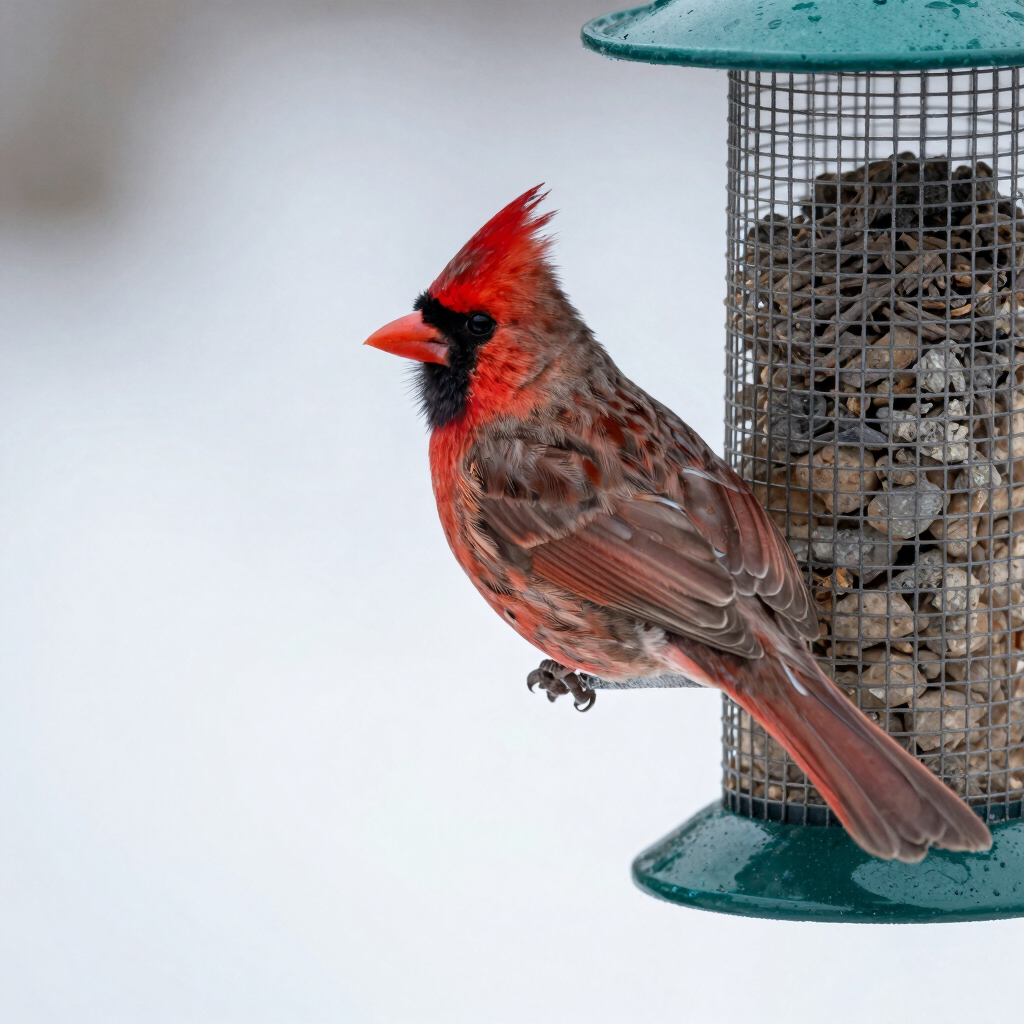
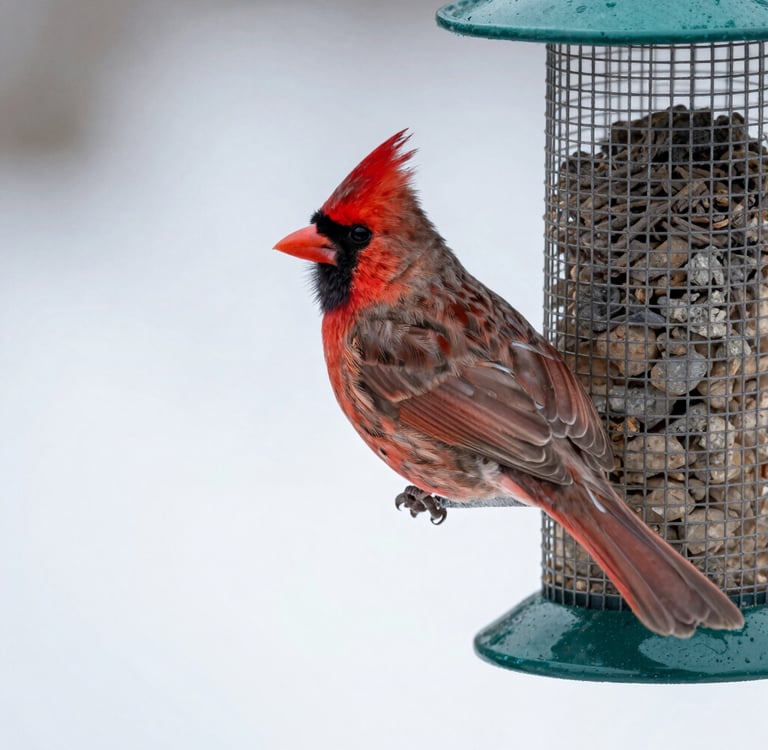
There is something special about watching birds visit your backyard. A bright cardinal, curious chickadee, or blue jay can bring your garden to life in every season.
The good news is that you don't need a huge property or an elaborate setup to attract more birds. With a few simple additions, you can create a backyard that provides birds with the three things they need most: food, water, and shelter.
And don't forget about winter. As temperatures drop and natural food becomes harder to find, your backyard can become an especially important source of food, fresh water, and protection.
1. Provide Food Birds Can Depend On
One of the easiest ways to attract birds is to provide a dependable source of food.
Different birds prefer different foods, so offering a variety can attract a wider range of species.
A good basic bird-feeding station might include:
Black oil sunflower seeds
Safflower seeds
Millet
Nyjer seed for finches
Peanuts or other appropriate bird-safe nuts
Suet, especially during cold weather
You can start with one feeder and add additional feeders as you learn which birds visit your yard.
Quick Seed Guide
Black Oil Sunflower Seeds: A favorite of many backyard birds, including cardinals, chickadees, nuthatches, and finches.
Safflower Seeds: A good option for attracting cardinals and other birds while being less appealing to some squirrels.
Nyjer Seed: Especially popular with finches.
Millet: Attractive to smaller ground-feeding birds.
Suet: Provides birds with a concentrated source of energy, making it particularly useful during cold weather.
Why Suet Is Especially Helpful in Winter
Winter weather can make it difficult for birds to find enough natural food to maintain their energy.
Suet provides a high-energy food source that can help birds meet their increased energy needs during cold weather.
Consider adding a suet feeder to your backyard feeding station as temperatures begin to drop.
2. Don't Forget Natural Food in Your Garden
Bird feeders aren't the only way to provide food.
Your garden can naturally produce food for birds throughout the year. Berries, seeds, insects, and other natural food sources can attract birds while also making your landscape more interesting.
Consider adding plants that produce berries or seeds that birds enjoy.
Shrubs and perennials can provide food long after the flowers have faded.
You can also help birds by resisting the urge to remove every seed head and piece of garden debris in the fall.
Instead, leave some healthy perennial stems and seed heads standing through winter.
For more ideas about what to leave standing during fall cleanup, visit Fall Garden Cleanup: What to Cut Back and What to Leave Alone.
3. Provide Fresh Water—Even in Winter
Food is important, but birds also need reliable access to clean water.
A birdbath is one of the simplest additions you can make to a bird-friendly garden.
Choose a shallow birdbath that is easy for birds to access and clean it regularly.
Place your birdbath somewhere birds can see it easily but where they also have nearby shrubs or branches where they can retreat if necessary.
Winter Water Is Especially Important
Don't put the birdbath away just because winter arrives.
Natural water sources can freeze, making fresh water much harder for birds to find.
A heated birdbath or birdbath heater can make providing winter water much easier.
If you don't use a heater, check the birdbath regularly and replace the water when necessary.
Most importantly, keep the water clean and free from debris.
4. Give Birds Places to Hide and Rest
Birds need more than food and water. They also need safe places to rest, hide, and escape from predators.
Dense shrubs, evergreen trees, small trees, and brushy areas can provide valuable shelter.
You don't need to create a separate bird habitat. Simply incorporating layers of plants into your existing landscape can give birds more places to move and hide.
Great Plants for Bird-Friendly Gardens
Consider plants that provide food, shelter, or both.
Good choices include:
Berry-producing shrubs
Evergreen shrubs and trees
Native flowering perennials
Ornamental grasses
Coneflowers
Asters
Sunflowers
Winterberry
Blueberries
Shop Winterberry Plants on Amazon
Shop Blueberry Plants on Amazon
For additional ideas for shrubs and foundation plants that work well in Zone 4 gardens, see Choosing the Best Trees and Shrubs for Zone 4 Foundation Planting in Fall.
Don't Be Too Quick to Clean Everything Up
A perfectly cleaned-up garden may look neat, but it can remove valuable habitat.
Dried flower heads can contain seeds, while plant stems and leaves can provide shelter for insects that birds feed on.
Instead of cutting everything back at once, consider leaving some healthy stems, seed heads, and natural areas standing through winter.
You can still clean up areas that are damaged, diseased, or unsafe while leaving other areas available for wildlife.
5. Add Birdhouses and Nesting Sites
Birdhouses can provide additional nesting opportunities for birds that use cavities.
Choose birdhouses designed for the types of birds you hope to attract and place them in appropriate locations.
Quick Birdhouse Placement Tips
Place birdhouses in a quiet location.
Keep them away from areas with heavy foot traffic.
Provide some nearby shrubs or trees for cover.
Keep them away from places where predators can easily reach them.
Clean and inspect birdhouses regularly when appropriate.
Remember that different bird species have different nesting preferences, so choosing the right birdhouse can make a difference.
6. Keep Your Bird Feeders Clean
Bird feeders should be cleaned regularly.
Dirty feeders can collect old seed, moisture, and bird droppings, creating an unhealthy environment for visiting birds.
A clean feeder is also more attractive to birds.
How to Clean a Bird Feeder
Empty any remaining old or wet seed.
Take the feeder apart when possible.
Wash it thoroughly with warm, soapy water.
Rinse it well.
Allow it to dry completely before refilling.
Replace damaged or deteriorating feeders.
How Often Should You Clean a Bird Feeder?
Clean feeders regularly and more often during periods of wet weather, heavy use, or when you notice spoiled food or buildup.
Keeping the feeding area clean is one of the simplest ways to make your backyard more welcoming to birds.
7. Protect Birds From Common Backyard Hazards
Creating a bird-friendly garden also means reducing potential dangers.
A few simple changes can make your yard safer.
Keep Cats Away From Feeding Areas
Bird feeders should not be placed directly next to shrubs or structures where cats can hide and surprise birds.
Give birds enough open space around feeding areas to see potential predators.
Keep Windows Visible
Birds can collide with windows because reflections can make glass appear like open sky or vegetation.
Window decals, exterior screens, or other visual markers can help make windows more visible to birds.
Avoid Pesticides When Possible
Birds can benefit from the insects found naturally in your garden.
Reducing unnecessary pesticide use can help support a healthier backyard habitat and provide birds with another natural food source.
8. Create a Bird-Friendly Winter Garden
Your garden doesn't stop being useful when the flowers disappear.
In fact, winter can be one of the most important times to think about what your landscape provides for birds.
Try to think of your winter garden in terms of three basic needs:
Food + Water + Shelter = A Bird-Friendly Winter Garden
Leave some berry-producing shrubs, perennial seed heads, ornamental grasses, and evergreen plants available for birds.
Keep feeders filled with fresh food.
Provide clean water whenever possible.
And leave some natural areas undisturbed so birds have places to shelter from cold winds and winter weather.
Think of Your Winter Garden as Food, Water & Shelter
A bird-friendly winter garden doesn't have to be complicated.
A few thoughtful choices can make a big difference:
Leave healthy seed heads standing.
Keep berry-producing plants available.
Provide fresh birdseed.
Add suet during cold weather.
Keep a clean water source available.
Provide evergreen or dense shrub shelter.
Avoid unnecessary fall cleanup.
If you're already thinking about next year's garden, this is also a great time to plan where you can add plants that benefit birds.
Take a look at Plan Next Year's Garden: 10 Things to Do This Fall for a Better Garden Next Spring for more garden-planning ideas.
9. Make Your Garden Work for Birds and You
A bird-friendly garden doesn't have to look wild or messy.
You can incorporate bird-friendly features into a beautiful landscape.
Berry-producing shrubs can provide seasonal interest.
Evergreens can provide structure and winter color.
Flowering perennials can provide beauty during the growing season and seeds later in the year.
A birdbath can become an attractive garden feature.
Even a simple feeder can become a focal point when placed thoughtfully.
Shop a Bird-Friendly Resting Area on Amazon
The goal is to create a garden that works for both you and the wildlife that visits it.
10. Enjoy Your Backyard Bird Visitors
Once you begin providing food, water, and shelter, you may be surprised by how many different birds begin visiting your yard.
Keep an eye out for seasonal visitors and notice which birds return throughout the year.
You may even want to keep a simple list of the birds you see.
Watching birds can become another enjoyable part of gardening.
Fall Bird Garden Checklist
Before winter arrives, take a few minutes to prepare your garden for visiting birds:
☐ Fill feeders with fresh seed
☐ Add suet for extra winter energy
☐ Check and clean the birdbath
☐ Leave some perennial seed heads standing
☐ Leave berries on bird-friendly shrubs
☐ Provide shelter with shrubs and evergreens
☐ Clean and inspect birdhouses
☐ Reduce unnecessary garden cleanup
☐ Remove damaged or unsafe branches
A Bird-Friendly Garden Is Never Really Finished
One of the best things about creating a bird-friendly garden is that it can change with the seasons.
Spring brings nesting birds.
Summer brings insects and abundant plant growth.
Fall provides seeds and berries.
Winter brings the opportunity to provide food, water, and shelter when birds need them most.
You don't have to transform your entire yard overnight.
Start with a feeder, add a birdbath, plant a few bird-friendly shrubs or perennials, and allow part of your garden to remain natural through winter.
You're not just creating a beautiful garden. You're creating a little backyard habitat that birds can depend on.
Affiliate Disclosure
As an affiliate, I may earn from qualifying purchases. Images are for inspiration and illustrative purposes only.
Get the latest updates and tips from GardenGurl, just for you!
send me a gardening question
contact@gardengurl.com
© 2026. All rights reserved.